
When I first started my wellness journey, my boyfriend kept asking me, “What’s your biggest struggle?”
Without hesitation—chronic fatigue.
I could sleep eight or nine hours a night and still wake up feeling like a glitching phone battery: 100% charged and already down to 18% by 10 a.m. Doctors told me to “improve my sleep hygiene” (as if lavender spray could undo the crushing weight of modern existence). I focused on all the big stuff: better sleep, more movement, stress management. But even when thought I was doing everything right : walking more, eating better, slowing down… I still felt tense, on edge, and so so tired.
Turns out, part of the problem wasn’t in my mind.
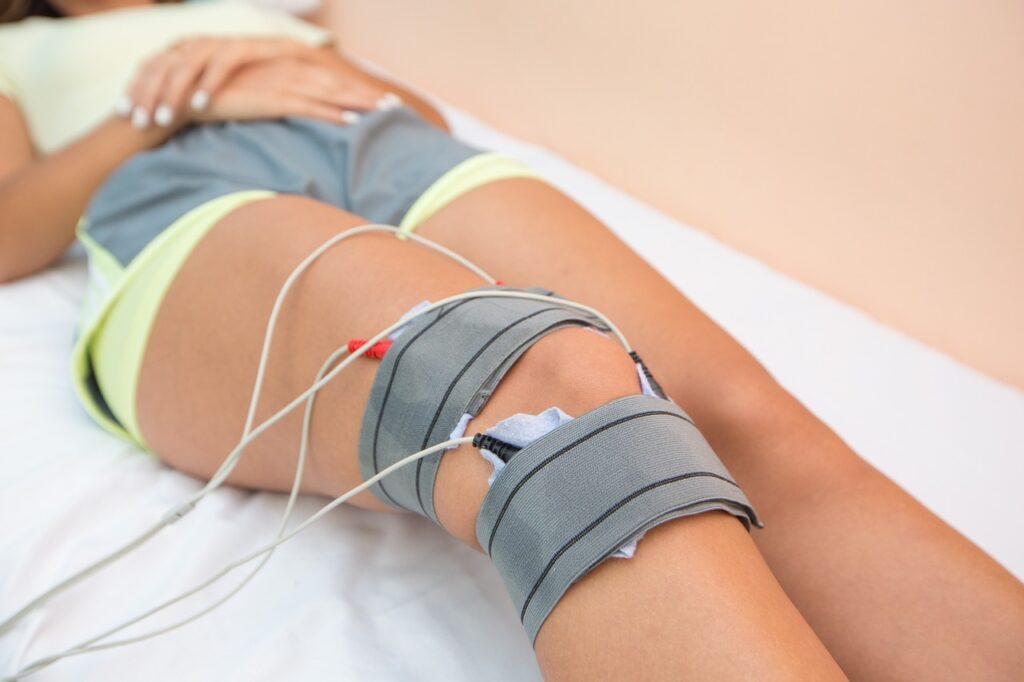
It was in my knees.
I Didn’t Even Realize I Was Doing It
One day during a walk, I caught myself locking my knees while waiting at a stoplight. No big deal, right? But then I realized—I did it constantly. Standing in line, washing dishes, brushing my teeth—every time I stood still, my legs were bracing like I was preparing for battle. My first thought? Great, another problem to solve. God forbid a woman even know how to walk these days. 🙄
This didn’t just happen overnight. In my early 20s, I was always in heels. Whether they were low or high, I wore them constantly. The issue? Heels shift your weight forward, which throws your hips, spine, and knees out of alignment to compensate. Over time, that imbalance can lead to tight calves, lower back pain, and poor posture due to the constant imbalance.
Now that I have ditched the heels, my body hasn’t gotten the memo. The result? I’m 29 feeling like I have the joints of someone twice my age. Cute~
This posture wasn’t helping me “stand tall.” It was making my body think I was tense and unsafe. And over time, that constant low-level stress was adding up.
Your Gait Can Affect Your Mood—Seriously
When your knees are locked, your whole posture shifts. Your hips tilt, your core disengages, your breath gets shallow. Basically, your body braces—even when there’s nothing to brace for. That sends a message to your nervous system to stay alert and ready to flee.
Maybe you’ve seen the term anterior pelvic tilt floating around TikTok. In my case, locking my knees was activating the wrong muscle groups—my glutes checked out, my lower back and hip flexors picked up the slack, and suddenly my body decided that standing upright was a full-time job.
Walking was supposed to help me relax. Instead, my body was subtly fighting itself every step of the way.
What I Started Doing Instead
It was time to get my underdeveloped ass in gear. Here’s the protocol:
- Soften my knees
When you’ve been locking them for years, it takes more than a reminder. I started with gentle posture cues—sometimes even using a light knee brace or tape for body awareness. Alternatively if it’s really hard to bring awareness, I would recommend getting a stronger brace that limits full extension. (If you try this, don’t wear them all day—just enough to retrain your posture.) - “Heart to the sky”
Instead of yanking my shoulders back like I’m prepping for a military inspection, I focus on lifting my chest. “Heart to the sky” is a common yoga cue, and it works—my shoulders naturally fall back into place without all the tension. - Shorten my stride
I used to over-stride, think “hot girl walk” if the hot girl was in the middle of a power-walk competition and late for a job interview. It was just stressing out my joints. Now I try to take smaller, more intentional steps. - Focus on heel-to-toe walking
When we take long stride, our feet naturally tend to fall into the rhythm of walking heel to toe, but when we are stuck in an pattern of over-stride walking, we need to get intentional. Rather than stomping or pushing off hard, I roll through each step gently. It feels weird at first, but it’s way easier on my body. - Wear supportive shoes
I love my New Balance 530s, but if you’re trying to correct your gait or posture, extra support is your best friend. Look into orthotic inserts for arch support or gait correction—especially if you deal with plantar fasciitis.
The Biggest Tip? Go Slow.
Don’t try to change everything all at once. Let it happened gradually, as you became more aware of how your body feels. You don’t need perfect form. Just a tiny shift (literally) might be exactly what your body’s been asking for.
Final Thoughts: The Missing Piece?
If you’re walking regularly and still feel wired, cranky, or fatigued, look at how you’re walking—not just if you’re walking.
Posture isn’t just aesthetic—it’s one of the ways your body tells your brain whether you’re safe or stressed.
Soft knees, shorter strides, open chest.
P.S. If this resonated, make sure to check out my post on Zone 2 cardio and burnout — I talk about how I tried walking to work every day and it didn’t go as planned.
Sources to Explore
- How heels affect posture and health (NIH)
- Anterior pelvic tilt explained (NCBI)
- Orthotic inserts and foot biomechanics (Cleveland Clinic)
- Plantar fasciitis treatment overview (NCBI)
Pingback: Zone 2 Cardio: Gentle Workouts for Burnout Souls – practicallythriving.com